


-

Add: HeBei ShengShi HongBang Cellulose Technology CO.,LTD.
-

Email
13180486930@163.com -

CONTACT US
+86 13180486930

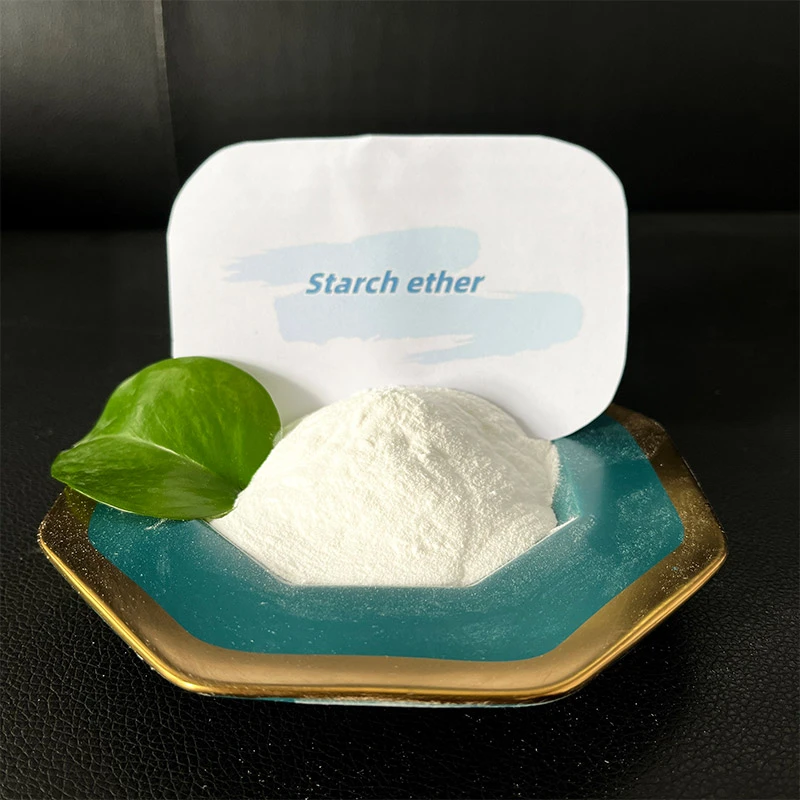
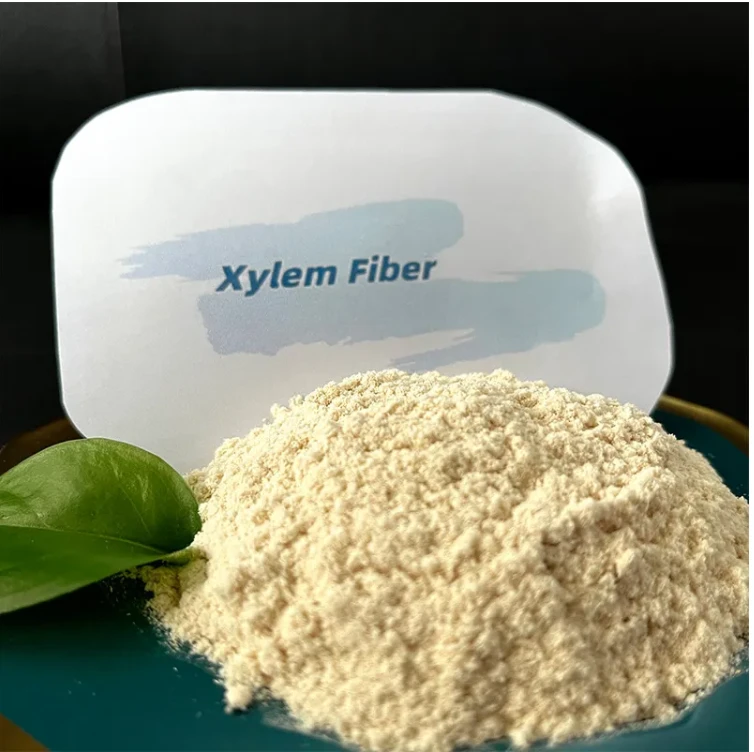


Xylem fiber , a natural and renewable resource derived from wood, has emerged as a transformative material across multiple industries. This organic flocculent fiber undergoes advanced chemical and mechanical treatments to enhance its properties, making it a versatile solution for construction, manufacturing, and environmental applications. As the global demand for sustainable alternatives grows, Xylem fiber stands out as a critical component in the transition toward eco-conscious practices. This article explores its features, applications, technical specifications, and the company behind its innovation. Understanding Xylem Fiber: A Natural Resource with Advanced Properties Xylem fiber is extracted from wood through a meticulous process that combines chemical treatments and mechanical processing. This results in a high-quality fiber known for its strength, absorbency, and biodegradability. Unlike synthetic alternatives, Xylem fiber leverages the inherent advantages of natural materials, offering a sustainable solution without compromising performance. The fiber’s unique structure allows it to enhance the mechanical properties of various materials. For instance, when incorporated into concrete and mortar , it improves tensile strength and durability. Similarly, in gypsum products , it enhances workability and structural integrity. Its absorbent nature also makes it ideal for wood pulp sponges , providing a biodegradable alternative to traditional cleaning products. Xylem fiber is also a critical component in medium density fiberboard (MDF) production, where it contributes to the creation of sturdy, sustainable building materials. Its ability to reduce the reliance on non-renewable resources aligns with the global push for responsible resource management . Key Features and Advantages of Xylem Fiber Xylem fiber offers a range of benefits that make it a preferred choice in modern manufacturing: Eco-Friendly: As a renewable resource, Xylem fiber reduces the environmental impact of industries reliant on non-renewable materials. Enhanced Durability: When integrated into concrete or asphalt , it improves resilience and longevity. Biodegradability: Its natural composition ensures it breaks down safely in the environment, minimizing waste. Cost-Effective: By reducing the need for traditional raw materials, Xylem fiber lowers production costs without sacrificing quality. Adaptability: Its versatility allows it to be used in diverse applications, from construction to household products. Technical Specifications of Xylem Fiber The following table provides an overview of Xylem fiber ’s technical characteristics: Parameter Specification Fiber Length Varies between 1-5 mm (depending on processing) Moisture Content Less than 10% Tensile Strength Up to 50 MPa (measured in laboratory conditions) Absorbency Rate Up to 200% of its weight Biodegradability Completely biodegradable within 6-12 months Applications of Xylem Fiber in Industry Xylem fiber is a versatile material with applications spanning multiple sectors: 1. Construction Industry In the construction sector, Xylem fiber is used to enhance the properties of concrete and mortar . Its addition improves the material’s resistance to cracking and increases its overall durability. Additionally, Xylem fiber is a key ingredient in gypsum products , where it enhances workability and structural stability. 2. Asphalt Industry As a reinforcing agent, Xylem fiber is incorporated into asphalt to improve the resilience of road surfaces. This application extends the lifespan of roads and reduces maintenance costs. 3. Manufacturing of Medium Density Fiberboard (MDF) Xylem fiber is a critical component in the production of MDF , a popular building material known for its strength and sustainability. It enables the creation of eco-friendly alternatives to traditional particleboard. 4. Household and Industrial Products The fiber’s absorbent properties make it ideal for wood pulp sponges , which serve as biodegradable cleaning tools. Its use in cellulose extraction from wood also supports the production of sustainable paper and textile materials. Company Background: Hebei Shengshi Hongbang Cellulose Technology Co., Ltd. Xylem fiber is produced by Hebei Shengshi Hongbang Cellulose Technology Co., Ltd. , a company dedicated to sustainable innovation. Located in China, the company specializes in the development and manufacturing of wood cellulose and cellulose wood fibers . Their commitment to eco-friendly practices aligns with global efforts to reduce the environmental footprint of industrial materials. Hebei Shengshi Hongbang’s expertise in cellulose extraction from wood ensures the production of high-quality Xylem fiber that meets industry standards. Their products are widely used in construction, manufacturing, and consumer goods, demonstrating the company’s role in advancing sustainable technologies. For more information about Xylem fiber and its applications, visit the company’s official website: Xylem Fiber Product Page . The Role of Xylem Fiber in Sustainable Development The integration of Xylem fiber into modern manufacturing processes reflects a shift toward sustainable development . By reducing reliance on non-renewable resources, industries can lower their carbon footprint while maintaining product quality. This aligns with the principles of responsible resource management , as highlighted by organizations like the National Institute of Standards and Technology (NIST) . According to NIST, "Advancements in materials science, such as the development of renewable fiber-based products , are critical for achieving long-term environmental and economic sustainability" ( NIST Official Website ). Xylem fiber exemplifies this principle by offering a natural, high-performance alternative to synthetic materials. Conclusion Xylem fiber represents a significant step forward in the quest for sustainable industrial solutions. Its unique properties, combined with its adaptability across multiple sectors, make it a valuable resource for manufacturers and consumers alike. As industries continue to prioritize eco-friendly practices , Xylem fiber will play an increasingly vital role in shaping the future of construction, manufacturing, and environmental stewardship. For further details about Xylem fiber and its applications, explore the Xylem Fiber Product Page or contact Hebei Shengshi Hongbang Cellulose Technology Co., Ltd. directly. References National Institute of Standards and Technology (NIST) . (n.d.). Driving Innovation . Retrieved from https://www.nist.gov/ .
- 40000tons

Production
- 20+years

Experience
- 5000+㎡

Acreage

-
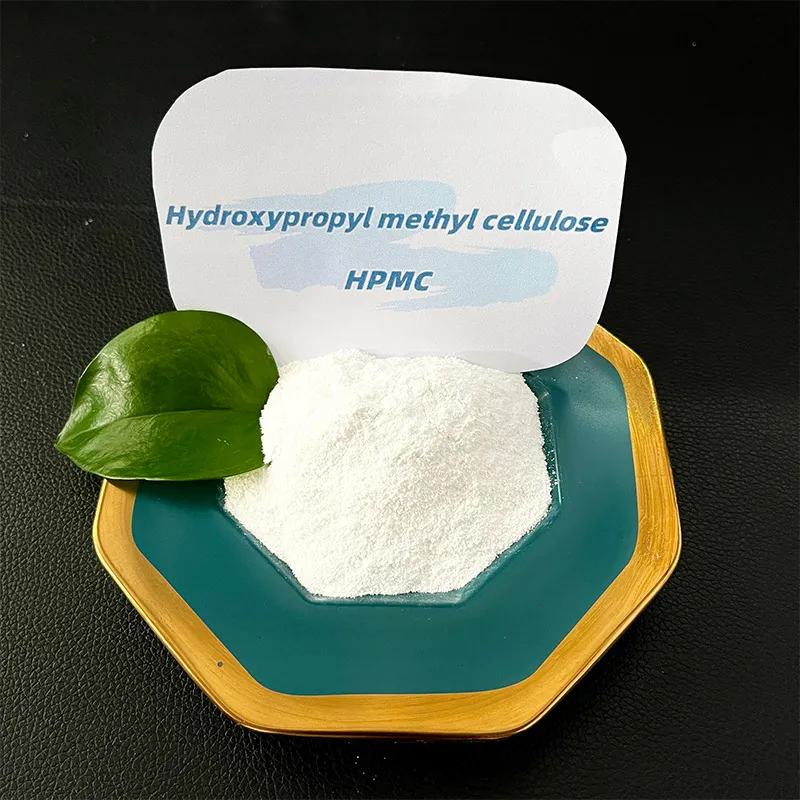
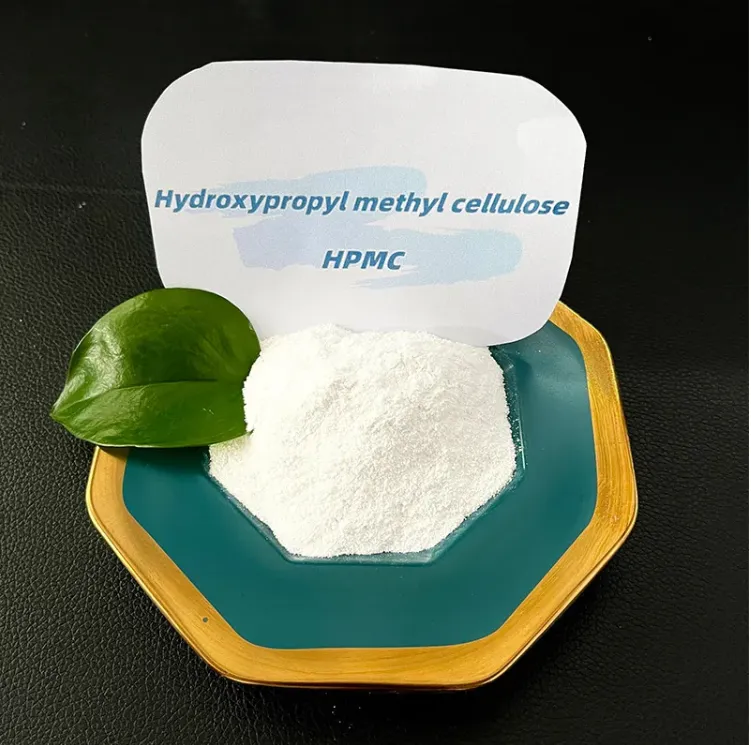
HPMC (Hydroxypropyl Methylcellulose) là một polymer bán tổng hợp, có khả năng hòa tan trong nước, được sử dụng rộng rãi trong nhiều ngành công nghiệp, bao gồm thực phẩm, dược phẩm, mỹ phẩm và vật liệu xây dựng. Với việc chú trọng vào các tiêu chí E-E-A-T (Experience, Expertise, Authoritativeness, Trustworthiness), bài viết này sẽ cung cấp cái nhìn sâu sắc về các cấp độ (grades) của HPMC và cách chúng có thể đáp ứng nhu cầu của các ngành công nghiệp khác nhau. Một trong những yếu tố quan trọng nhất khi lựa chọn HPMC là sự đa dạng của các cấp độ, mỗi cấp độ được thiết kế để đáp ứng các nhu cầu cụ thể. Các cấp độ của HPMC được phân loại dựa trên độ nhớt, mức độ polymer hóa và thành phần hóa học. Độ nhớt của HPMC có thể dao động từ rất thấp đến rất cao, tương ứng với khả năng tạo độ dày hoặc ổn định của sản phẩm cuối cùng. Khả năng điều chỉnh độ nhớt làm cho HPMC trở thành lựa chọn lý tưởng cho các ứng dụng như chất làm đặc, chất ổn định trong mỹ phẩm, hoặc tá dược trong ngành dược phẩm. Kinh nghiệm sử dụng HPMC trong các ngành công nghiệp cho thấy rằng sự lựa chọn cấp độ phù hợp là cần thiết để tối ưu hóa hiệu suất sản phẩm. Ví dụ, trong ngành dược phẩm, HPMC được đánh giá cao trong việc sản xuất thuốc viên giải phóng theo thời gian. Với các cấp độ có độ nhớt cao, HPMC có thể tạo ra một lớp màng bao bên ngoài viên thuốc, đảm bảo thuốc được phát hành từ từ qua thời gian, cải thiện hiệu quả điều trị và giảm tác dụng phụ. Về mỹ phẩm, HPMC giúp cải thiện độ ổn định và cảm giác trên da của sản phẩm . Các cấp độ HPMC thấp thường được sử dụng trong các sản phẩm dưỡng ẩm và serums để tạo kết cấu mượt mà và dễ thẩm thấu. Sự linh hoạt của HPMC trong việc hình thành các loại gel và dung dịch giúp tăng cường cảm giác mềm mịn khi bôi sản phẩm lên da, tạo ra trải nghiệm người dùng tích cực. HPMC như các cấp Trong xây dựng, HPMC được sử dụng như một phụ gia cải thiện khả năng chống nước và độ bền của vữa. Các cấp độ có độ nhớt cao là lựa chọn hàng đầu trong việc cải thiện những đặc tính này, vì chúng tạo ra một mạng lưới polymer mạnh mẽ, chống thấm và chịu lực tốt. Điều này không chỉ giúp kéo dài tuổi thọ của các công trình xây dựng mà còn giảm thiểu chi phí bảo trì. Sự uy tín và tính chuyên môn khi sử dụng HPMC trên toàn cầu được củng cố qua nhiều nghiên cứu và báo cáo kỹ thuật. Các nhà khoa học và chuyên gia công nghiệp đã tiến hành nhiều thí nghiệm và phân tích để xác nhận tính hiệu quả và an toàn của HPMC ở các cấp độ khác nhau. Sự tin tưởng vào HPMC đến từ việc nó được kiểm nghiệm qua thời gian, và được chấp thuận bởi nhiều cơ quan kiểm định chất lượng quốc tế. Tính đáng tin cậy của HPMC cũng được thể hiện qua khả năng tái tạo và an toàn với môi trường. Được sản xuất từ cellulose thực vật, HPMC không chỉ bền vững mà còn an toàn, không gây nguy hại cho con người và hệ sinh thái. Điều này tạo ra sự hấp dẫn cho các công ty quan tâm đến phát triển bền vững. Có thể thấy, sự thấu hiểu sâu sắc về các cấp độ khác nhau của HPMC và ứng dụng phù hợp không chỉ tăng cường hiệu suất sản phẩm mà còn tạo ra giá trị lâu dài cho cả doanh nghiệp và người tiêu dùng. Sự kết hợp giữa trải nghiệm thực tế và kiến thức chuyên sâu chính là yếu tố quan trọng đưa HPMC trở thành lựa chọn hàng đầu trong nhiều ngành công nghiệp.
-
Hydroxypropyl methylcellulose (HPMC) is an exceptional multifunctional ingredient that finds various applications in the cosmetics industry . Renowned for its versatility, HPMC serves as a thickening agent, emulsifier, film former, and stabilizer, making it indispensable in the formulation of numerous beauty and personal care products. One of the most common uses of HPMC in cosmetics is as a thickening agent. Its unique ability to increase viscosity without impacting the appearance of products ensures a smooth application and uniform texture, which is crucial in products like creams, lotions, and gels. For instance, in facial moisturizers, HPMC adds a silky, luxurious feel, enhancing consumer experience while providing optimum hydration through a controlled release mechanism that ensures prolonged moisture retention on the skin. When it comes to emulsification, HPMC ensures that oil and water-based ingredients blend seamlessly in products such as foundations and sunscreens. This results in a stable emulsion that not only looks aesthetically pleasing but also enhances product performance by preventing the separation of ingredients over time. Customers can thus rely on a consistent product experience with every use, reflecting the brand's commitment to quality. HPMC's role as a film former is especially valuable in hair care products like styling sprays and gels. By forming a thin, invisible layer over the hair, it provides a protective barrier that shields the hair from environmental aggressors while maintaining style longevity. Consumers seeking long-lasting hold notice the difference that HPMC brings, as it effectively manages frizz without the undesirable crunchy or sticky residue commonly associated with some styling products. hydroxypropyl methylcellulose uses in cosmetics The stabilizing properties of HPMC are equally beneficial in maintaining the efficacy and shelf-life of cosmetics. It prevents ingredient degradation by acting as a preservative adjunct, thereby protecting sensitive active ingredients interspersed in formulations such as anti-aging serums and eye creams. This stabilization not only safeguards the product's effectiveness but also supports streamlined manufacturing processes, reducing the need for additional preservatives that could disrupt skin compatibility. Incorporating HPMC in formulation speaks to a brand’s expertise in developing advanced cosmetic solutions. Its multifunctional nature aligns perfectly with modern consumer demands for high-quality, performance-driven beauty products. Laboratories involved in product design value HPMC for its non-irritating, biocompatible nature, which minimizes adverse reactions, making products suitable even for those with sensitive skin. As an authoritative choice for cosmetic formulators seeking reliable and innovative solutions, Hydroxypropyl methylcellulose continues to be integral in shaping the future of cosmetics. Its adaptability and functionality firmly position it as an ingredient that not only meets but exceeds consumer expectations, ensuring that brands leveraging its qualities maintain a competitive edge in the ever-evolving beauty landscape.
advantages
-

200000 Viscosities
Excellent product
We can produce pure products up to 200,000 viscosities
-

40000 tons
High yield
We don’t stop production all year round, and the annual output can reach 40,000 tons
-

24 hours
Quality service
We provide 24-hours online reception service, welcome to consult at any time
———— Inquiry Form
Schedule A services
-
 rubber_powder
Oct . 25, 2025
The Emergence and Significance of Manufactured Fiber in the Textile Industry Manufactured fibers, co -
 hydroxypropyl_starch_phosphate_for_hair
Oct . 25, 2025
Understanding the properties and applications of HPMC K15M viscosity is critical for industries rang -
 polvo_de_vaina
Oct . 25, 2025
Pentastarch is a frequently utilized colloidal solution that has sparked interest among medical prof


